| ADDITIONAL MENU |
|---|
| Reviewers |
| Focus and Scope |
| Author Guidelines |
| Publication Ethics |
| Online Submission |
Archives
-
Al-Ibar Journal of Islamic Civilization and Development
Vol. 2 No. 1 (2022)• Community Empowerment Through Waste Management: A Case Study of Bogor Regency
• An Analysis of Challenges in the Collection and Utilization of Zakat, Infaq, and Sadaqah (ZIS): A Case Study of BAZIS, DKI Jakarta Province
• The Implementation of the Zakat Village Index (IDZ) in Kampung Bandan, North Jakarta
• Determinants of Women’s Empowerment Success in Indramayu
• The Role of Sharia Cooperative 212 in Strengthening the Indonesian Economy
-
Al-Ibar Journal of Islamic Civilization and Development
Vol. 1 No. 2 (2021)• Islamic Perspectives on Water as a Public Good
• Operational Risk Management Analysis at the Sidogiri Zakat Management Institution
• Exploring Problems and Strategies to Improve Halal Tourism in Lombok, West Nusa Tenggara
• Factors Influencing Professional Zakat Payment to Zakat Management Organizations (Case Study: Cianjur Sub-District)
•Applying the ANP Method to Address Village Development and Empowerment Issues Through Village Fund Policies (Case Study: Mekarjaya Village, Garut) -
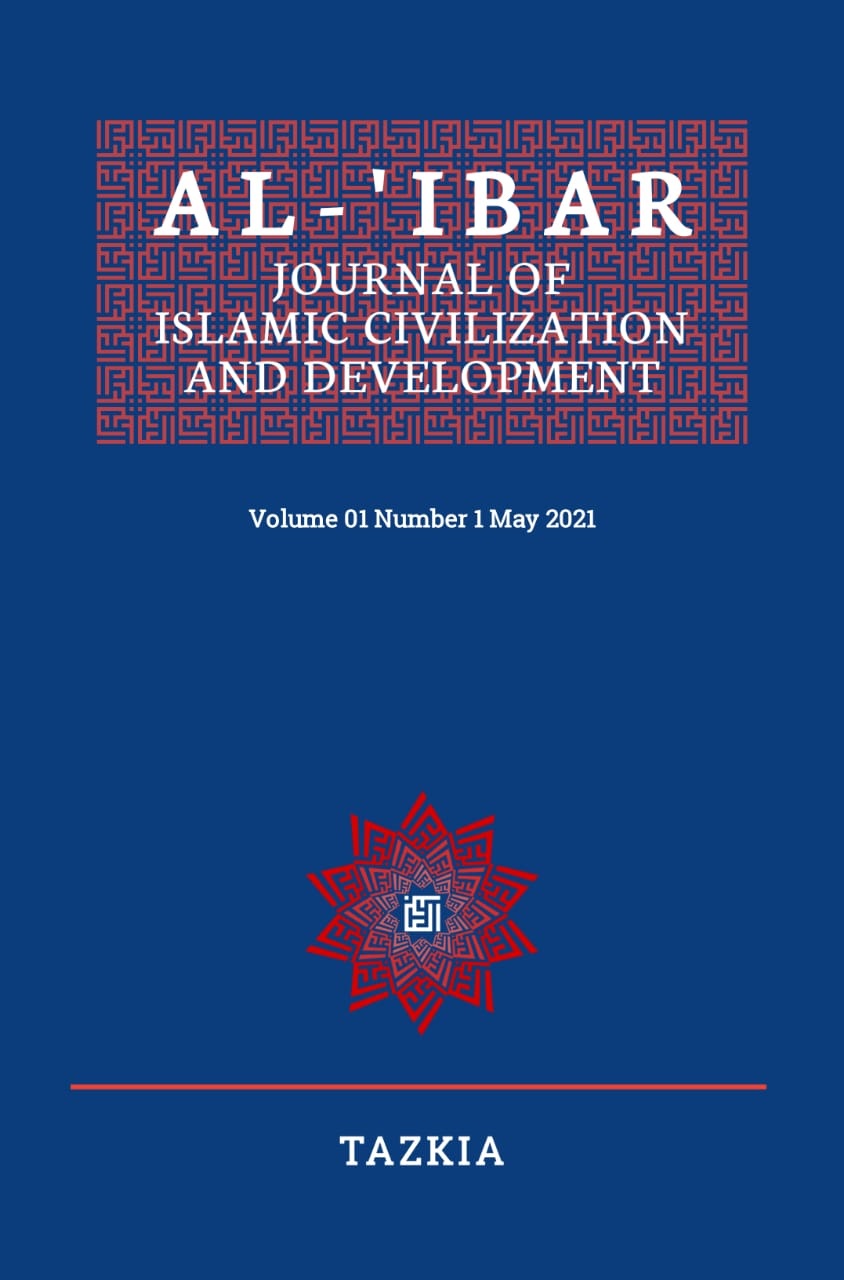
Al-Ibar Journal of Islamic Civilization and Development
Vol. 1 No. 1 (2021)• Hisbah in the View of Imam Al-Mawardi
• The Role of Ethics in Presenting Economic Welfare
• Model of Engineering in the Establishment of Islamic Banking in Indonesia
• Analysis of the Influence of Auditor Profit and Reputation Management on Islamic Bond Rating (Sukuk) in Indonesia
• Islamic Economics in the Hegemony of Capitalism and Socialism: A Comparative Analysis